Rhode Island Agriculture
Consisting of six primary program areas, the Agriculture section of RIDEM's Division of Agriculture and Forest Environment works to sustain, promote and enhance Rhode Island's agricultural viability today and for generations to come.
The RI Produce Safety Portal is LIVE for online registration and submissions of PSR exemption applications
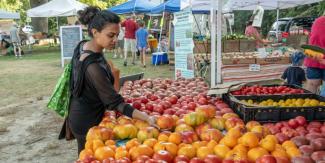
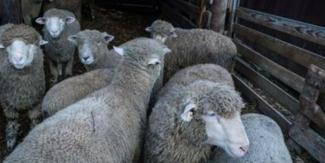
Harvesting Rhode Island TV series spotlights state’s farms, unusual crops
NE Ag Exchange An online forum for agriculture in the New England, free and open to the public
Relish Rhody is a State-led, interagency strategy to improve the food system in Rhode Island.
GAP Grower Certification Program A voluntary program for growers, part of a nationwide food safety effort.

RI Seafood Learn about efforts to identify and promote seafood landed in the Ocean State by commercial fishermen and grown in Rhode Island waters by farmers.
Program and Partner News & Highlights
Farm Ranch Stress Assistance Network RI (FRSAN RI)
Help Is On the Way! DEM Division of Agriculture and the Center for Mediation and Collaboration are partnering to launch a mental health and wellness program for farmers, commercial fishers, and workers in forestry-related industries. Learn More
Wholesale Readiness for Institutions Food Buyers (RI Food Policy Council)
Rhode Island institutions — including our 44 school districts, 11 hospitals, and 11 colleges and universities — provide an important market for Rhode Island grown, harvested, and manufactured food. In addition to supporting local farm, seafood, and prepared food businesses, institutional food purchases also help increase access to fresh, healthy, local food for all Rhode Islanders. Find resources and inspiration for RI institutional food buyers and sellers
Grower Resource: Free legal service for growers
The Legal Food Hub of the Conservation Law Foundation connects income–eligible farmers, food businesses, and the organizations that support them to FREE legal services for a wide range of legal issues.
Farm to Institution New England report and statistics
View the FINE Metrics Dashboard
RIDOT Oversize/Overweight Permits
Agricultural producers who are moving equipment over the road may be required to first get a permit through the RI Department of Transportation. Please find more information on permits and whether a permit is required by going to this site. If you have looked at the information on this site and are unclear whether a permit is required, please contact Samuel Hawkes at Samuel.Hawkes@dot.ri.gov or (401) 563-4582 with any questions. Visit the RIDOT permitting website at https://www.ri.gov/DOT/osow/
Quick Links & Trending Topics
- DAFE Online Application Portal
- Surplus Commodity Form
- Produce Safety Program
- FSMA - On-Farm Readiness Review
- RI Water Testing Program
- Farmland Preservation
- Agriculture Grant Opportunities
- Nursery Licensing, Inspection & Certification
- Organic Certification
- Good Agricultural Practices (GAP) Certification
- Apiary Certification
- Pesticides Program
- Pest Alerts (Spotted Lanternfly)
- Cooperative Agricultural Pest Survey (CAPS)
- Animal Health Program
- Animal Health - Livestock
- Animal Health - Avian Influenza (Bird Flu)
- Agriculture Census Data
- Senior Farmers Market Nutrition Program

Unsolicited Seeds (USDA)
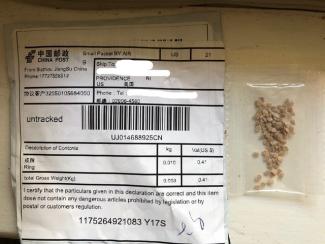
Do Not Open or Plant Unsolicited Seeds. Do Not Throw Unsolicited Seeds In The Trash.
These seeds are often part of a “brushing scam,” where a seller sends unsolicited items and then posts false customer reviews to boost sales. Unlabeled seeds may produce invasive or noxious weeds or harbor plant pests that could threaten agriculture or the natural environment. USDA Resource: Buying and Selling Plants and Seeds Online
- Do not plant the seed and do not throw the seed away
- Keep the seed in its original packaging and keep all other original materials, such as labels and envelopes
- Do not open the package if it is sealed; if it has been opened, place it in a Ziploc bag
- Wash your hands after handling the package or seeds if the package is opened
Reporting unsolicited seeds to your State Plant Health Director helps protect U.S. agriculture and natural resources.