Current Threats to Forest Health
Rhode Island’s forests are vital to the health of our environment, communities, and economy. Many forest threats are native to the region, but increasing numbers of non-native and invasive pests and diseases are placing unprecedented pressure on trees and forest ecosystems. Because these threats did not evolve alongside our native forests, trees often lack natural defenses against them. Preventing the spread of these pests is critical, and simple actions, like not transporting firewood over long distances or across state lines, can make a significant difference.
The resources below provide information on specific forest pests and diseases affecting Rhode Island’s forests, including how to identify them, the damage they cause, and steps to protect trees and forest ecosystems. Safeguarding forest health depends on strong partnerships among federal, state, municipal, and private organizations, as well as the cooperation and vigilance of landowners, arborists, and the public.
Jump to:
Diseases affecting RI trees Invasive plants in RI forestsINSECTS
Highlighted here are pests which are of concern to forests trees in RI. Links and information are provided for each pest, to learn to identify them and recognize signs of damage.
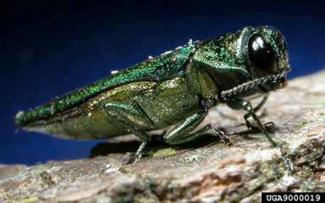
Emerald Ash Borer
Scientific Name: Agrilus planiplennis
Status: Exotic
Mostly Affects: All species of Ash
Additional Resources:
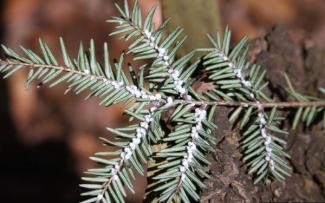
Hemlock Woolly Adegid
Scientific Name: Adelges tsugae
Status: Exotic
Mostly Affects: Hemlock
Additional Resources:
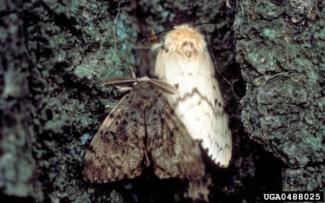
Spongy Moth
Scientific Name: Lymantria dispar
Status: Exotic
Mostly Affects: Oaks, other hardwoods
Additional Resources:
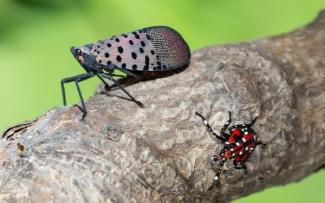
Spotted Lanternfly
Not a significant forest pest but a landscape nuisance pest and a threat to certain fruit trees and grape vines.
Spotted Lanternfly in Rhode Island
Scientific Name: Lycorma delicatula
Status: Exotic
Mostly Affects: Ailanthus, fruit trees, grape vines
Additional Resources:
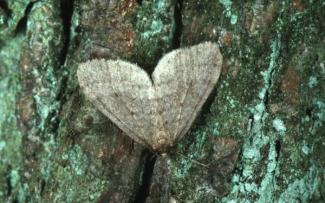
Winter Moth
Scientific Name: Operophtera brumata
Status: Exotic
Mostly Affects: Maples
Additional Resources:
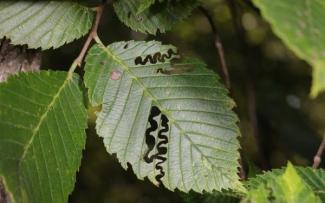
Elm Zigzag Sawfly
not found in RI to date
Scientific Name: Aproceros leucopoda
Status: Exotic
Mostly Affects: All Elms
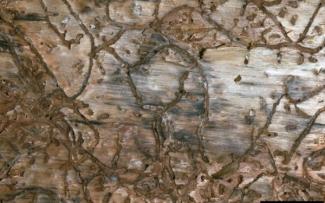
Southern Pine Beetle
Scientific Name: Dendroctonus frontalis
Status: Native
Mostly Affects: Hard pines (Pitch pine), Others
Additional Resources:
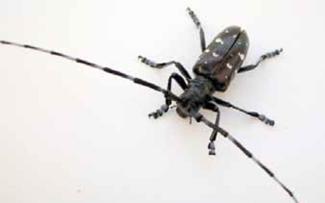
Asian Longhorned Beetle
not found in RI to date
Scientific Name: Anoplophora glabripennis
Status: Exotic
Mostly Affects: Maples
Additional Resources:
DISEASES
Explore common forest diseases affecting Rhode Island’s woodlands and urban forests.
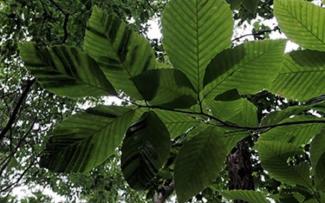
Beech Leaf Disease
Causal agent: nematode Litylenchus crenatae mccannii
Status: Introduced
Mostly Affects: All species of Beech
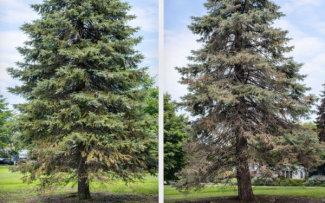
Rhizosphaera Needle Cast
Causal agent: fungus Rhizosphaera kalkhoffii
Status: Introduced
Mostly Affects: Colorado Blue, other Spruces & Firs
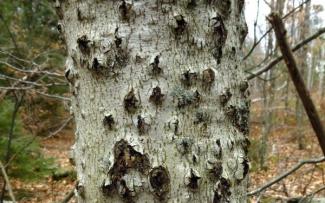
Beech Bark Disease
Causal agent: fungus Neonectria spp.
Status: Introduced
Mostly Affects: American Beech
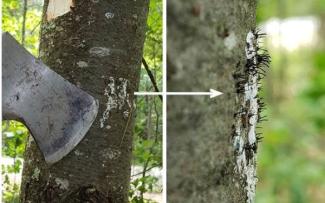
Caliciopsis Canker
Causal agent: fungus Caliciopsis pinea
Status: Native
Mostly Affects: White Pine
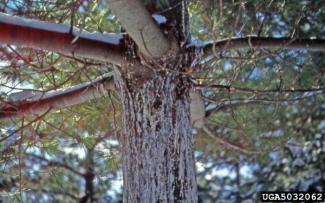
White Pine Blister Rust
Causal agent: fungus Cronartium ribicola
Status: Introduced
Mostly Affects: Eastern White Pine
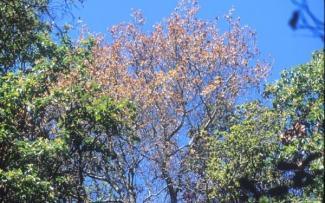
Oak Wilt & Sudden Oak Death
neither found in RI to date
OW Causal agent: fungus Bretziella fagacearum
SOD Causal agent: fungus-like Phytophthora ramorum
Status: Introduced
Mostly Affects: Oaks
Oak Wilt (OW)
Sudden Oak Death (SOD)
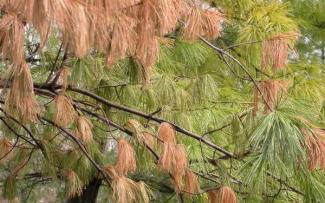
White Pine Decline
Causal agent: a complex of multiple needle diseases
Status: Introduced
Mostly Affects: Eastern White Pine
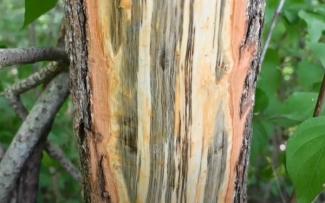
Laurel Wilt
not found in RI to date
Causal agent: fungus Harringtonia lauricola
Status: Introduced
Mostly Affects: Laurel spp., Sassafrass
NON-NATIVE INVASIVE PLANTS
A few of the exotic invasive plants that threaten Rhode Island forests by out-competing native plants by rate of growth, seed abundance and/or overgrowth. But make sure you get your identification right - check Invasive Plants and their Native Look-Alikes
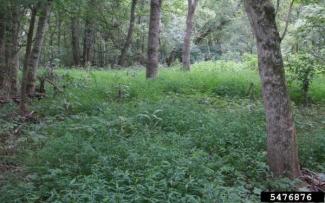
Japanese Stiltgrass
Scientific Name: Microstegium vimineum
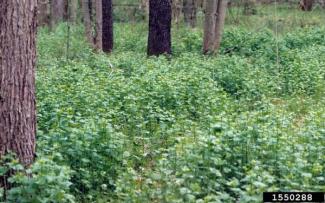
Garlic Mustard
Scientific Name: Alliaria petiolate
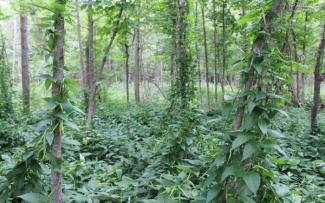
Black/Pale Swallowworts
Scientific Name: Black: Vincetoxicum nigrum Pale: V rossicum
- CT Swallowwort fact sheet
- Comparison of black and pale swallowworts
- Swallowwort distribution
- Black swallowwort photos
- Pale swallowwort photos
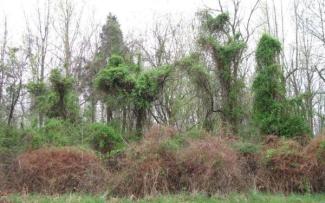
Invasive Honeysuckles
Scientific Name: Lonicera spp.
Native honeysuckles are not included in this definition.
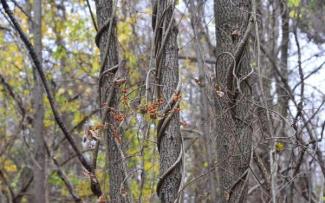
Oriental Bittersweet
Scientific Name: Celastrus orbiculatus
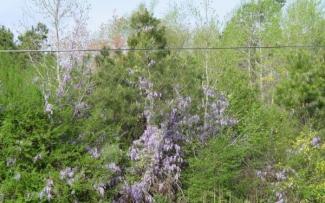
Wisteria
Scientific Name: Wisteria spp.
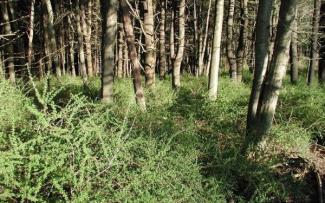
Barberry
Scientific Name: Berberis spp.
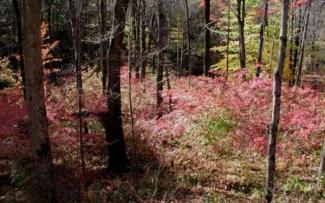
Burning Bush
Scientific Name: Euonymous alata
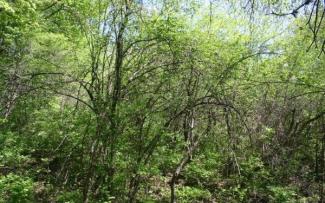
Glossy Buckthorn
Scientific Name: Frangula alnus
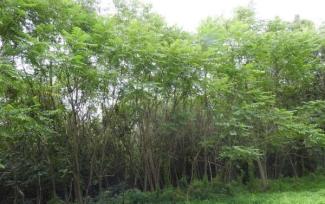
Tree of Heaven
Scientific Name: Ailanthus altissima
This is also the preferred species for Spotted Lanternfly feeding and reproducing.
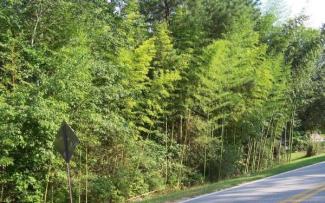
Running Bamboo
Scientific Name: Commonly Phyllostachys species
But there are actually many bamboo species that fall are "running", and all are considered highly invasive.
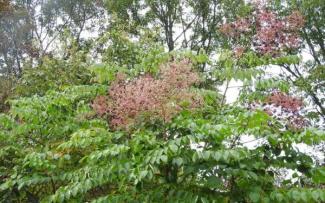
Japanese Angelica Tree
Scientific Name: Aralia elata
- Invasive Plant Atlas with additional photos
- PA angelica tree fact sheet
- Rutgers angelica tree fact sheet